|Ion exchange, Rubidium, Technology and Research
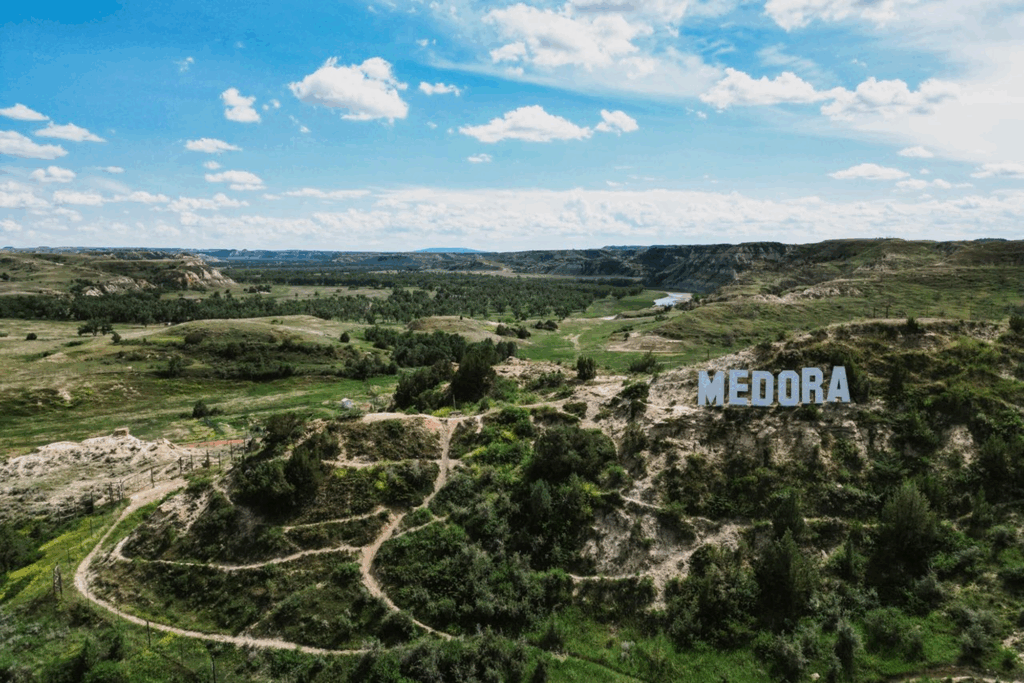
North Dakota Landscape
When you think of North Dakota, vast fields of wheat, hardworking communities, and the immense energy reserves of the Bakken oil fields and lignite coal seams likely come to mind. For decades, these resources have powered the state’s economy and the nation. But what if the greatest treasure isn’t the fossil fuels themselves, but what’s hiding within their byproducts?
North Dakota is sitting on a veritable goldmine of critical minerals, essential components for everything from our smartphones and GPS systems to advanced defense technology and green energy solutions. These high-value elements are found in the very waste streams of the state’s primary industries: oilfield brine and coal ash.
Liquid Gold: Riches in Oilfield Brine
For every barrel of oil extracted in the Bakken, multiple barrels of saltwater, known as brine or “produced water,” are brought to the surface. For years, this has been treated as a costly waste product. However, this brine is rich with dissolved minerals. Analysis has shown significant concentrations of critical elements like lithium and rubidium.
The U.S. is currently 100% reliant on imports for rubidium, a mineral vital for GPS satellites, 5G networks, and night vision technology. The brine from North Dakota’s oilfields represents a massive, untapped domestic resource that could turn an industrial waste stream into a cornerstone of national security.
From Ash to Asset: Unlocking Minerals in Coal
North Dakota’s abundant lignite coal also holds a secret. Within the coal seams are trace amounts of numerous rare earth elements (REEs) and other critical minerals like scandium, gallium, germanium and dysprosium. When the coal is burned for electricity, these elements don’t disappear; they become concentrated in the leftover coal ash.
This presents a dual opportunity: cleaning up coal ash disposal sites while simultaneously creating a new, domestic supply chain for minerals that are overwhelmingly controlled by foreign nations. Developing these resources is key to building a resilient American manufacturing base for the 21st century.
The Path Forward: Extraction Expertise
The challenge has always been how to separate and extract these valuable minerals from the complex chemical soup of brine and ash efficiently and economically. This is not a simple filtering job; it requires sophisticated technology and deep chemical expertise.
This is where the specialized knowledge of Xylion Technologies becomes crucial. With a proven track record in developing advanced ion exchange materials, they are leaders in creating proprietary processes to target and extract specific high-value minerals. Their work in extracting rubidium from oilfield brine is a prime example of how cutting-edge technology can unlock this hidden potential.
As North Dakota looks to diversify its economy and lead in a new era of energy and technology, the key may lie in the resources it has long overlooked.
To learn more about turning this strategic opportunity into a reality, explore the pioneering work in ion exchange and mineral extraction at https://xyliontechnologies.com or info@xyliontechnologies.com.
Xylion Technologies is currently looking for partners that wish to be leaders in the deployment of its proprietary technology in North Dakota. If you are interested in discussing further please reach out at info@xyliontechnologies.com.